Fat Cat Machine Embroidery Design Review
As an embroidery designer who has spent years refining digitizing techniques for boutique apparel, I approach every new machine embroidery design with a critical eye. It is not just about whether the file runs smoothly on the machine; it is about how that design translates into a tangible, sellable product. Recently, I evaluated the Fat Cat Machine Embroidery Design for a potential inclusion in a limited-edition sweatshirt drop for a small online shop. This review breaks down the aesthetic appeal, technical considerations, and commercial viability of this playful feline motif.
First Impressions and Aesthetic Mood
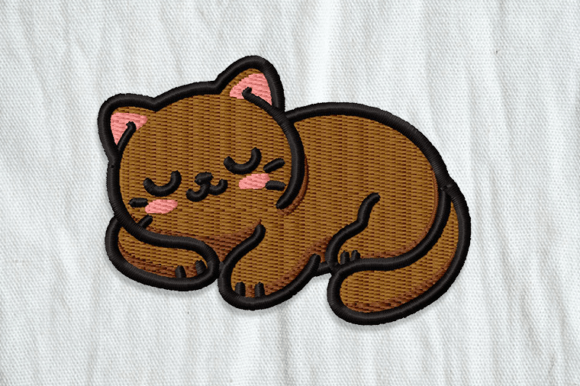
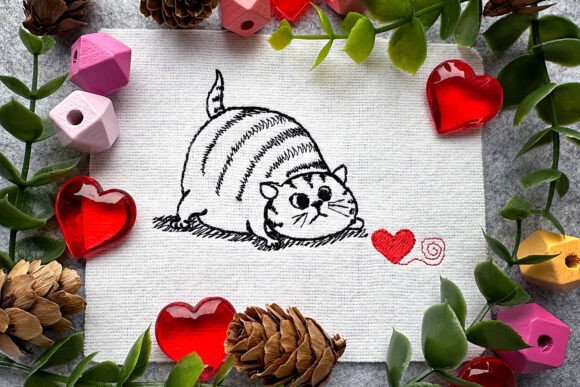
The initial visual impact of the Fat Cat Machine Embroidery Design is undeniably charming. The concept of a plump cat chasing a heart immediately sets a tone that is both cute and whimsical. For a boutique brand looking to inject personality into their lineup, this design strikes a balance between playful and decorative. It does not try to be overly realistic or severe; instead, it embraces a stylized, cartoon-like quality that resonates well with modern casual wear trends.
The layout appears compact yet expressive, making it versatile for various placements. When I imagine this stitched out, the mood feels lighthearted and approachable. It is not minimal in the sense of being sparse, but it is clean enough to avoid looking cluttered on a garment. This makes it an excellent candidate for brands that want to offer something more engaging than plain text but less overwhelming than large, complex scenic embroidery.
Application on Sweatshirts and Hoodies
The primary test for any embroidery file intended for apparel is how it interacts with different fabric types and colors. For this project, I considered how the Fat Cat Machine Embroidery Design would perform on neutral sweatshirts, such as heather grey, oatmeal, and soft black. On neutral tones, the design pops nicely, allowing the thread colors to stand out without competing with the fabric. The contrast is key here; a bright heart against a muted cat body can create a focal point that draws the eye immediately.
When applied to dark fabric, such as navy or charcoal, the design requires careful selection of thread colors. Lighter shades for the cat’s fur and vibrant hues for the heart ensure readability. Conversely, on pastel colors like blush pink or mint green, the design takes on a softer, more feminine appeal. This versatility is crucial for a small shop product line, as it allows the seller to offer the same design across multiple colorways without losing its charm.
For oversized hoodies, I recommend placing the design on the left chest area. This placement is classic and feels premium, elevating the garment from basic loungewear to a branded piece. Alternatively, using the design as a sleeve accent adds a subtle touch of whimsy that customers often appreciate for its uniqueness. If scaled up appropriately, it could also work as a back design, though one must monitor the stitch density to prevent the fabric from puckering under the weight of the threads.
Technical Considerations for Commercial Use
From a technical standpoint, preparing the Fat Cat Machine Embroidery Design for production requires attention to detail. Since this is a DIGITAL machine embroidery file, the end user must verify the specific stitch count and recommended hoop size before starting. These details are not always universal, so checking the provided documentation is essential to avoid resizing errors that can distort the image.
Stitch density is a major concern when embroidering on thick materials like fleece or heavy cotton blends used in sweatshirts. If the density is too high, the fabric may pucker or become stiff. If it is too low, the underlying fabric might show through, compromising the finished look. A well-digitized design will balance these elements, ensuring smooth coverage without excessive bulk. Using the correct stabilizer is equally important. For stretchy knit fabrics, a cut-away stabilizer is often recommended to provide long-term support and maintain the shape of the embroidery after washing.
Another practical concern is the readability of small details. The heart element in the design must be large enough to stitch cleanly without breaking threads or losing definition. In a commercial embroidery setting, consistency is key. Testing a sample run on the actual fabric batch is necessary to confirm that the tension and thread choice produce a crisp, durable result. This step builds buyer trust, as customers expect high-quality craftsmanship from handmade or boutique items.
Enhancing Brand Identity and Product Value
Incorporating a distinctive motif like the Fat Cat Machine Embroidery Design can significantly enhance a brand’s identity. For an Etsy seller or creative entrepreneur, offering unique, embroidered apparel sets them apart from mass-market retailers. The tactile nature of embroidery adds perceived value to the finished product, justifying a higher price point compared to printed graphics.
This design also lends itself well to lifestyle product photography. A cozy sweatshirt featuring a cute cat chasing a heart creates an emotional connection with potential buyers. It suggests comfort, joy, and a love for animals, which are powerful drivers in the Cats niche. When showcased in printable mockup previews or real-life photos, the texture of the threads adds depth and interest that flat prints cannot achieve.
Furthermore, this design can serve as a patch for custom apparel branding. Patches are trending in the handmade community, allowing customers to personalize jackets, bags, or hats. By offering the Fat Cat Machine Embroidery Design as part of a broader collection of design assets, sellers can cater to crafters who prefer DIY projects while still maintaining a cohesive brand aesthetic.
Final Verdict for Boutique Brands
The Fat Cat Machine Embroidery Design is a strong contender for small clothing brands and apparel decorators looking to add a touch of humor and warmth to their collections. Its adaptability across different fabric colors and garment styles makes it a versatile asset. However, success depends on proper technical execution. Paying attention to fabric texture, stabilizer choice, and thread contrast will ensure that the final product meets professional standards.
For those interested in using this file, remember to check the specific technical details included with the purchase, such as compatible formats and hoop requirements. With careful preparation, this design can become a bestseller, driving customer engagement and reinforcing the playful, high-quality image of your boutique brand. Whether used for sweatshirt embroidery, hoodie accents, or standalone patches, this cute fat cat has the potential to charm cat lovers and elevate your handmade product offerings.