Labrador Portrait Embroidery: A Craft Fair Review
As an embroidery designer who has spent countless weekends behind a booth table, I know that not every machine embroidery design is created equal. Some look stunning on a screen but fail to capture attention in person. Others are technically complex but impractical for batch production. Today, I am reviewing the Labrador Portrait, Dog Embroidery design from the perspective of a seller preparing for a high-traffic craft fair. This isn’t just about aesthetics; it is about viability, speed, and sales potential.
First Impressions and Market Appeal
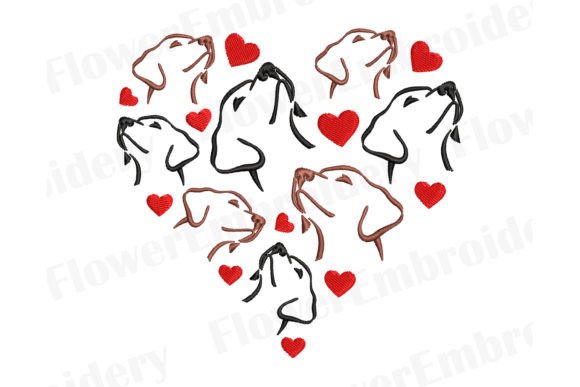
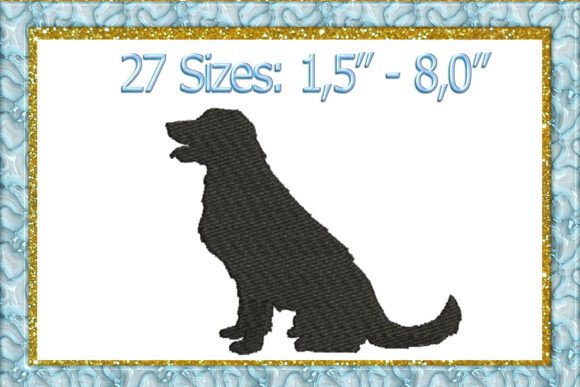
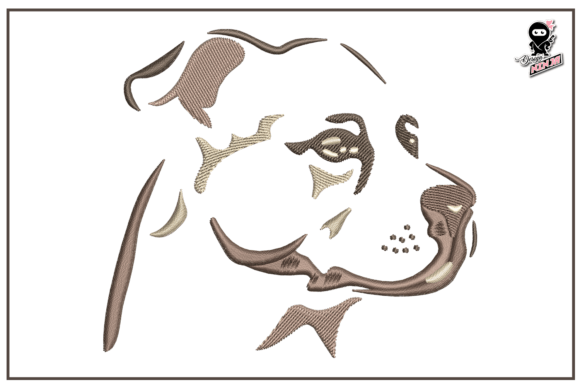
The moment I loaded the digital embroidery file into my software, the silhouette stood out. Labrador portraits occupy a unique space in the pet niche. They are not just cute; they evoke loyalty, warmth, and family. For a craft fair environment, this design feels approachable and emotionally resonant. It does not scream "novelty" in a cheap way; instead, it offers a premium, heartfelt vibe that appeals to dog lovers who view their pets as children.
The visual weight of the design suggests versatility. It is bold enough to be seen from three feet away—a crucial factor when customers are walking past your booth—but detailed enough to reward closer inspection. This balance is rare. Many designs are either too intricate, getting lost in fabric texture, or too simple, failing to justify a higher price point. The Labrador Portrait, Dog Embroidery strikes a middle ground that feels both modern and timeless, fitting seamlessly into farmhouse, rustic, or contemporary boutique aesthetics.
Product Versatility for the Handmade Seller
For those of us running small shops or Etsy stores, versatility is key to maximizing return on investment. This design shines across multiple substrates. Here is how it performs on common craft fair products:
- Tote Bags: This is arguably the best application. A canvas tote provides a flat, stable surface that allows the stitch definition to pop. As a tote bag design, it transforms a utility item into a statement piece. Customers love buying these as gifts for fellow dog owners.
- Aprons and Tea Towels: Kitchen textiles are impulse buy magnets. An apron embroidery featuring a loyal Lab adds personality to home decor. However, for tea towel embroidery, you must be cautious. Ensure the design size is appropriate so it doesn’t overwhelm the narrow width of a standard towel.
- Caps and Hats: Curved surfaces are tricky. If you attempt this on a cap, ensure the design is scaled down significantly. Large, dense portraits can cause puckering on curved brims. A smaller, simplified version might work better here than the full portrait.
- Patches and Pouches: Creating embroidered patches is a trending niche. This design holds up well as an embroidered patch if you use a cut-away stabilizer and merrowed edges. It also looks adorable on small fabric pouches, perfect for stocking stuffers or add-on sales.
Production Realities and Technical Notes
While the aesthetic appeal is high, we must discuss the practicalities of production. As a commercial embroidery asset, this design needs to be efficient. You cannot spend forty-five minutes hooping and stitching a single item if you want to maintain healthy margins at a craft fair.
One critical factor is stitch density. Portraits often require varied densities to create shading and depth. Before committing to a large batch, check the density settings in your software. High density on thick fabrics like denim or canvas can lead to needle breaks or fabric distortion. Conversely, low density on loose-weave linen may lack definition. Always test on scrap fabric first.
Another consideration is thread colors. Labrador coats range from deep black to creamy yellow. Does the design rely on subtle gradations? If so, ensure your thread palette matches the intended look. A black Lab requires high-contrast thread against light fabric, while a yellow Lab might need careful selection to avoid blending into beige canvas. The description mentions the design comes with multiple options, which is a significant advantage for customizing to different fabric bases.
Handling Fabric Texture and Stabilizers
Fabric texture plays a massive role in the final outcome. On smooth cotton or poly-blends, the details will be crisp. On textured towels or wool sweaters, fine details may get lost. For textured items, consider using a water-soluble topping to keep stitches from sinking into the pile. Always pair your choice with the correct stabilizer. For wearable items like t-shirts, a tear-away might suffice, but for bags and pillows that undergo stress, a cut-away stabilizer is non-negotiable to prevent distortion over time.
Marketing and Visual Presentation
How does this design help you sell? In a crowded marketplace, clarity wins. The Labrador Portrait, Dog Embroidery is instantly recognizable. Customers do not need to squint to understand what they are looking at. This immediate recognition reduces friction in the buying decision.
For online sellers, this design photographs beautifully. Create a printable mockup or stage real photos with props that reinforce the lifestyle—think leashes, dog bowls, or cozy blankets. These design assets help buyers visualize the product in their own homes. For Etsy listings, highlight the handmade quality. Emphasize that each stitch is placed with care, distinguishing your small shop product from mass-produced prints.
Brand consistency is also enhanced by using a cohesive theme. If your booth features various dog breeds, this Labrador design anchors your collection. It signals to buyers that you specialize in pet-themed goods, building trust with your target audience.
Final Verdict for Craft Fair Sellers
Is the Labrador Portrait, Dog Embroidery worth adding to your library? Absolutely, but with caveats. It is a strong performer for tote bags, pillows, and wall art where flat stability is guaranteed. It offers high emotional value, which translates to higher perceived value and better profit margins.
However, success depends on execution. Do not assume one size fits all. Check the hoop size requirements provided in the file details. If the design is large, ensure your machine can handle it without frequent re-hooping, which slows production. Verify the commercial licensing terms explicitly. Just because a file is digital does not mean it is free for unlimited commercial use. Confirm that your license covers the volume of finished product sales you intend to make.
In summary, this design is a reliable tool for any embroidery business owner focusing on the pet niche. It balances artistic charm with production feasibility. By testing on various fabrics, optimizing your thread choices, and presenting it on the right products, you can turn this digital file into a consistent revenue stream for your handmade business. Whether you are a seasoned Etsy seller or a weekend warrior at the local market, this Labrador portrait has the potential to become a staple in your inventory.