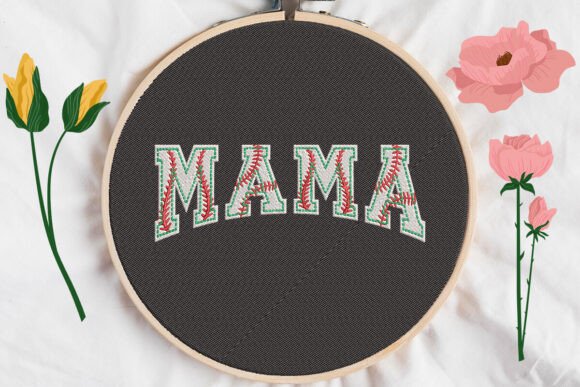
Mama Baseball Embroidery: A Designer’s Review
As a designer who has spent countless hours digitizing, testing, and stitching out thousands of files, I approach every new machine embroidery design with a mix of curiosity and skepticism. We have all been there: you download a file that looks perfect in the preview, only to find it puckers the fabric or loses its charm once the needle hits the cloth. That is why I took a close look at the Mama Baseball Embroidery design. This is not just about aesthetics; it is about functionality, wearability, and how this specific asset performs in a real-world craft business environment.
First Impressions and Visual Personality
The first thing that strikes me about this design is its balanced composition. It manages to capture the energetic spirit of sports culture while maintaining the soft, affectionate tone implied by the "Mama" title. Visually, it feels approachable and modern. The layout suggests a thoughtful arrangement of elements, likely combining text with iconic baseball imagery such as a ball, bat, or stitching details. For an embroidery project, this visual personality is crucial. It needs to read clearly from a distance but also hold up under close inspection.
The mood here is playful yet polished. It does not scream for attention with overly complex gradients or impossible stitch counts. Instead, it relies on clean lines and recognizable shapes. This simplicity is often where the best designs live because they are versatile. Whether you are aiming for a rustic look on a linen tote or a sporty vibe on a polyester jersey, the design adapts without losing its identity. It feels like a piece that belongs in a curated collection rather than a generic clip-art dump.
Real-World Application: The Custom Tote Test
To truly evaluate the Mama Baseball Embroidery, I imagined a specific client scenario. A local mom-and-pop boutique wants to launch a line of personalized gifts for Mother’s Day, which often overlaps with the start of baseball season. They need a handmade product that appeals to sports moms who want to show support without wearing a full uniform. I pictured this design stitched onto a heavy canvas tote bag design.
In this context, the design shines. Canvas provides a stable base, allowing the stitches to sit flat without sinking into the weave. The contrast between the bright thread colors typically used in baseball themes—reds, whites, and blues—pops beautifully against natural or dyed canvas. If I were producing this for an Etsy seller, I would recommend using a cut-away stabilizer to ensure the bag maintains its shape even when loaded with groceries or gear. The result is a durable, high-value item that feels professional and thoughtful.
Versatility Across Products
Beyond totes, the versatility of this design allows you to embroider it onto various items, such as pillows, tote bags, jackets, or even framed artwork. This machine embroidery desi gn’s adaptability is its strongest selling point for small shop owners. Consider sweatshirt embroidery. A crewneck sweatshirt is a staple for cooler weather, and placing this design on the left chest or centered on the back creates a trendy, boutique-style look. The key here is checking the stitch density. If the design is too dense, it will make the fabric stiff and uncomfortable. If it is too light, it might not cover the fleece texture adequately. A balanced fill stitch approach works best here.
For baby embroidery projects, such as onesies or bibs, the scale becomes critical. You must ensure the design can be resized down without losing legibility. Tiny details can turn into a mess of thread if the hoop size is too small or the resolution is insufficient. Always test a scaled-down version on scrap fabric before committing to a final garment. This step saves time, money, and reputation.
Technical Considerations for Stitching Success
From a technical standpoint, there are several factors to monitor when working with this file. First, examine the stitch types. A good digital embroidery file will use a mix of satin stitches for borders and text, and fill stitches for larger areas like the baseball itself. Running stitches should be used for delicate details to minimize bulk. When reviewing the Mama Baseball Embroidery, pay attention to how these transitions are handled. Poorly planned jumps or excessive trim points can slow down production and increase the risk of errors.
Fabric texture plays a massive role in the final outcome. On smooth cotton or poly-blends, the design will look crisp and defined. However, on textured fabrics like terry cloth towels or fuzzy fleece, you may need to adjust your stabilizer strategy or use a topping to prevent the stitches from sinking. For dark fabrics, consider using a white underlay or choosing thread colors with high contrast to ensure the design remains visible. Testing on both light and dark backgrounds is a non-negotiable step for any serious craft business.
Navigating Challenges and Limitations
While the design is versatile, it is not without its constraints. Curved surfaces, such as caps or hats, require careful hooping and possibly a different digitizing approach than flat items. If the original file was not specifically optimized for caps, you might encounter distortion around the brim. In such cases, using a cap frame and a sturdy stabilizer is essential. Additionally, avoid placing the design over seams or zippers, as this can cause needle breaks and uneven stitching.
Another area of caution is washing and care. Items like aprons or kids' clothes undergo frequent laundering. Ensure that the thread quality is high and that the design is securely anchored. Poorly digitized edges can fray over time, diminishing the perceived value of the finished product. Advising customers on proper care instructions adds a layer of professionalism and helps maintain the integrity of the embroidery.
Commercial Value and Brand Consistency
For commercial embroidery professionals and small shop product creators, consistency is key. The Mama Baseball Embroidery offers a reliable aesthetic that can help build brand recognition. If you are creating a line of sports-themed family apparel, this design fits seamlessly alongside other matching sets. It enhances the visual appeal of your portfolio and can drive buyer engagement through its relatable theme.
When creating printable mockup images for online listings, remember that lighting and angle matter. Show the texture of the stitches to highlight quality. Customers want to see that the embroidery is raised, neat, and free of loose threads. High-quality photos combined with a well-executed design build trust and justify higher price points. Whether you are selling the embroidery file itself or the physical item, presentation influences perception.
Final Designer Notes
Before you load this design into your machine, take a moment to review the specifics. Check the recommended hoop size to ensure it fits your equipment. Verify the license terms, especially if you plan to sell finished items or use it in design assets for clients. Not all files allow for unlimited commercial use, so clarity here protects your business. Also, confirm the available formats to ensure compatibility with your embroidery software.
Test the design on scrap fabric first. This simple step allows you to check thread color contrast, inspect small details, and identify any potential tension issues. Compare the result on different materials to understand its range. By treating the Mama Baseball Embroidery with this level of professional scrutiny, you ensure that every piece you produce meets high standards. It is a solid choice for holiday embroidery gifts, personalized apparel, and everyday carry items, provided you respect the technical requirements of the medium. Happy stitching.