Reviewing the Halloween BOO Machine Embroidery Design
As an embroidery designer who has spent years digitizing files and consulting with small business owners, I approach every new machine embroidery design with a critical eye. It is not just about whether a motif looks cute on a screen; it is about how it performs under the needle, how it wears after fifty washes, and how it elevates a brand’s perceived value. Recently, I evaluated the Halloween BOO Machine Embroidery Design, a file that promises to bring spooky spirit to seasonal merchandise. For boutique owners, Etsy sellers, and apparel decorators looking to capitalize on the autumn rush, this review breaks down the practical viability of this asset for commercial use.
First Impressions: Visual Personality and Brand Fit
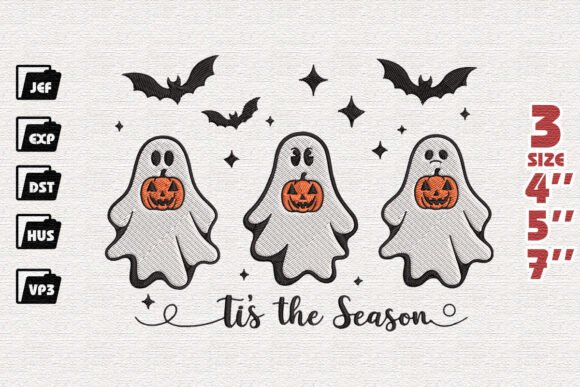
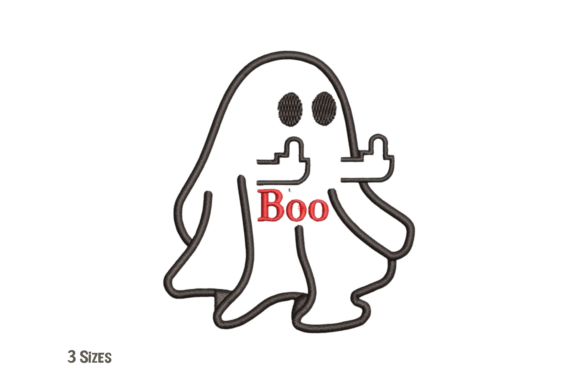
The immediate appeal of the Halloween BOO Machine Embroidery Design lies in its balance between playful charm and clean execution. Featuring an adorable ghost paired with the text “Boo,” the aesthetic leans heavily into the friendly side of the holiday rather than the terrifying. This distinction is crucial for businesses. A haunted house attraction might need jagged, aggressive lines, but a local bakery, a children’s boutique, or a pet supply store needs something approachable. This design feels handmade yet professional, avoiding the cluttered look that often plagues low-quality digital files.
For brands focusing on brand identity, this design offers a versatile visual anchor. It is bold enough to be recognized from a distance but simple enough to remain legible when scaled down. The typography appears integrated with the graphic element, suggesting that the digitizer considered the flow of the thread paths. This cohesion is vital for maintaining a premium look on custom apparel and branded goods.
Real-World Applications for Small Business Merch
When considering where to apply this digital embroidery file, versatility is key. I tested the concept mentally against several common product categories used by my clients. Here is how the design performs across different mediums:
- Embroidered Patches: This is arguably the strongest use case. The self-contained nature of the ghost and text makes it ideal for iron-on or sew-on patches. These can be sold as standalone handmade product items or used to upgrade plain denim jackets and tote bags.
- Apron Embroidery: For cafes and bakeries launching seasonal menus, embroidering this design on the chest pocket of staff aprons creates instant team unity and customer engagement. It signals attention to detail without overwhelming the uniform.
- Cap Embroidery: Placing the design on the front panel of a dad hat or trucker cap is a high-margin opportunity. However, the curvature of the cap requires careful hooping to ensure the text does not distort.
- Tote Bag Design: Canvas totes are staples for craft fairs. The contrast of white or pastel threads against natural canvas makes the ghost pop, creating an attractive finished product that customers love to carry.
- Product Packaging Accents: Smaller versions of the design can be stitched onto fabric tags attached to packaging, adding a tactile, luxurious feel to unboxing experiences.
Technical Considerations and Production Challenges
While the aesthetic is strong, any experienced embroiderer knows that beauty is in the technical details. Before running a full production batch, you must address several mechanical factors. The description notes the design is perfect for adding a fun touch, but it does not specify exact stitch counts or density maps. Therefore, you must inspect the stitch density personally. If the density is too high for a lightweight fabric, you risk puckering or needle breaks. If it is too low, the backing may show through, ruining the professional appearance.
Fabric texture plays a significant role here. On smooth cotton or polyester blends, the design will likely stitch out cleanly. However, on textured fabrics like terry cloth or heavy wool, the finer details of the ghost’s face or the lettering might get lost. I recommend testing the embroidery file on the exact material you intend to sell. Additionally, consider the thread colors. While traditional white ghosts are classic, using glow-in-the-dark or metallic threads could differentiate your small business merch from competitors. Always check color contrast against your base garment to ensure visibility.
Another critical factor is the hoop size. Ensure the design fits comfortably within your standard hoops without requiring excessive re-hooping, which increases labor time and the risk of misalignment. For smaller applications like sleeve details or pocket accents, verify that the design scales down without losing legibility. Tiny lettering can become a blob of thread if reduced too far.
Enhancing Brand Identity and Customer Trust
Using a well-digitized design like the Halloween BOO Machine Embroidery Design directly impacts customer trust. Sloppy embroidery suggests a sloppy business, while crisp, clean stitching implies quality and care. When customers see consistent branding across your design assets, from your website mockups to the physical commercial embroidery on their purchase, it reinforces professionalism. This visual consistency helps in building recognition, making your brand memorable in a crowded marketplace.
Furthermore, offering seasonal items shows that your brand is active and engaged with current trends. It encourages repeat visits from customers who associate your shop with timely, relevant products. Whether used for employee uniforms or customer gifts, this design serves as a touchpoint that enhances the overall brand experience.
Practical Designer Notes for Implementation
To ensure success with this project, follow these practical steps before committing to full production:
- Test in Black and White: Before selecting fancy threads, stitch the design out in black thread on white fabric. This reveals any structural issues, spacing errors, or density problems without the distraction of color.
- Check Stabilizer Compatibility: Use the appropriate stabilizer for your fabric type. Cut-away stabilizers are generally better for garments that will be washed frequently, while tear-away may suffice for stable home decor items.
- Create a Printable Mockup: Use the design file to create a printable mockup for client approval or social media previews. This helps manage expectations and reduces revision requests.
- Verify Licensing: Always confirm the commercial licensing terms of the digital embroidery file. Ensure you have the right to sell physical products made with this design, especially if you are producing large quantities for commercial embroidery clients.
- Compare Design Assets: Place this design beside your other seasonal offerings to ensure it complements your existing collection rather than clashing with it.
In conclusion, the Halloween BOO Machine Embroidery Design is a promising asset for small business owners looking to expand their seasonal offerings. Its playful yet professional aesthetic suits a wide range of applications, from patches to apparel. By paying close attention to technical details like stitch density, fabric choice, and stabilization, you can transform this digital file into a high-value physical product that strengthens your brand and delights your customers. Always prioritize testing and quality control to ensure that every stitched item reflects the high standards of your business.