Finger Heart Embroidery Design Review for Merch
As an embroidery designer who has spent years digitizing and testing files for small businesses, I approach every new machine embroidery design with a critical eye. It is not just about whether the image looks cute on a screen; it is about how it performs on fabric, how it holds up after washing, and how it elevates a brand. Recently, I reviewed the Finger Heart Embroidery Design, a digital asset that promises to add whimsy charm to various textiles. For boutique owners, Etsy sellers, and creative studios, this review breaks down whether this design is a viable addition to your commercial toolkit.
First Impressions: Visual Personality and Brand Fit
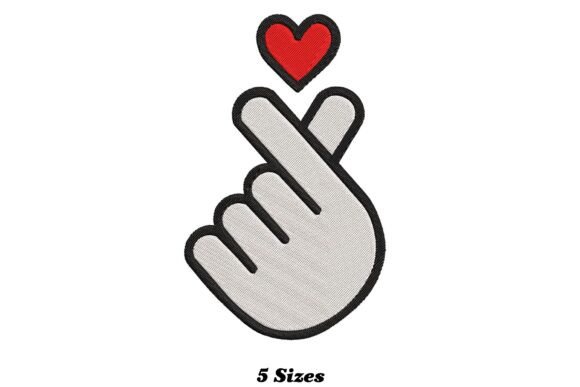
The first thing you notice about the Finger Heart Embroidery Design is its inherent friendliness. The gesture itself—crossing the thumb and index finger to form a heart—is universally recognized as a symbol of affection and gratitude. In the context of branding, this translates to a vibe that is approachable, modern, and deeply human. It does not scream "corporate"; instead, it whispers "handmade care."
For businesses in the lifestyle, bakery, florist, or pet care sectors, this visual personality is gold. It feels playful yet elegant enough to be taken seriously if executed with high-quality thread work. While it falls under the Valentine S Day category, limiting it to February would be a mistake. This design works year-round for any brand that wants to communicate love for their craft or appreciation for their customers. It is decorative without being overly busy, making it a strong candidate for minimalist branding strategies.
Real-World Applications for Small Business Merch
When evaluating a digital embroidery file for commercial use, I always ask: where can this live on a product? The versatility of the finger heart gesture allows it to function in several key areas of small business merch.
- Embroidered Patches: This is perhaps the strongest use case. A small, circular or organic-shaped patch featuring this design can be sewn onto denim jackets, canvas totes, or even laptop bags. It acts as a subtle badge of honor for customers who support local brands.
- Apron Embroidery: For cafes and bakeries, staff uniforms are walking billboards. Placing this design on the chest pocket or the lower corner of an apron adds a personal touch that customers notice. It reinforces the idea that the food or service is made with love.
- Cap Embroidery: A small iteration on the side panel or near the brim of a dad hat creates a trendy, understated look. However, caution is needed here regarding curve distortion, which I will address later.
- Tote Bag Design: Canvas bags are staples for handmade shops. Using this design as a central element or a corner accent transforms a generic bag into a branded finished product that customers are proud to carry.
- Product Packaging Accents: Imagine this stitched onto a small fabric tag attached to a ceramic mug or a knitted scarf. It serves as a final seal of quality and care.
Technical Considerations and Stitch Performance
While the concept is charming, the execution depends entirely on the technical quality of the embroidery file. Since the product description notes it is perfect for t-shirts, towels, and pillows, we can infer it is designed for general home decor and apparel. However, as a professional, I must highlight specific technical hurdles.
Stitch density is crucial. If the design is too dense, it will pucker lightweight fabrics like cotton t-shirts or linen tote bags. If it is too sparse, it may look cheap or fail to cover the fabric adequately on darker garments. Before running a full production batch, you must test the design on the exact fabric you intend to use.
Another critical factor is thread colors. The finger heart gesture relies on clear definition between the fingers and the negative space of the heart shape. High contrast is essential. If you are stitching white thread on a cream apron, the detail may get lost. I recommend testing bold combinations, such as red on white or navy on heather gray, to ensure the symbol reads clearly from a distance.
Where to Use Caution
Not every surface is suitable for this design. Be careful when applying it to:
- Curved Surfaces: Cap fronts and curved sleeves can distort the geometry of the heart. Ensure the digitizing accounts for pull compensation.
- Textured Fabric: Towels and fluffy pillows mentioned in the description can swallow small details. If the design includes fine lines, they may disappear into the pile of a terry cloth towel.
- Small Patch Sizes: If you scale this down too much for a tiny label, the fingers may merge, turning the heart into an unrecognizable blob. Always check the minimum viable size.
- High-Wash Items: Staff uniforms and kitchen towels undergo rigorous washing. Ensure the stabilizer used is cut-away rather than tear-away for items that need long-term durability.
Impact on Brand Identity and Customer Trust
In the world of commercial embroidery, consistency is key. Adding the Finger Heart Embroidery Design to your lineup can significantly enhance your brand identity. It signals that your business is attentive to trends and cares about the emotional connection with your audience.
When customers see consistent, high-quality embroidery on your custom apparel or packaging, it builds trust. It moves your products from being mere commodities to being cherished items. This perceived value allows for higher price points. A plain tote bag might sell for $10, but a tote bag with a professionally embroidered finger heart and your logo can easily command $25 or more. The embroidery acts as a marker of quality and effort.
Practical Designer Notes for Production
Before you purchase and start stitching, follow these steps to ensure success:
- Test in Black and White: Print or stitch the design in monochrome first. If the shape is not recognizable without color, the digitizing needs adjustment.
- Check Hoop Size: The description does not specify the hoop size. Verify this against your machine’s capabilities. A 4x4 inch hoop is standard for small logos, but ensure the design fits comfortably within the margins.
- Create a Printable Mockup: Use digital tools to place the design on photos of your actual products. This helps visualize scale and placement before committing thread and fabric.
- Confirm Commercial Licensing: Always read the license terms associated with the design assets. Ensure you have the right to use the file for physical goods you intend to sell.
- Inspect Spacing: Look closely at the jump stitches and trim points. Efficient digitizing minimizes thread waste and reduces production time.
In conclusion, the Finger Heart Embroidery Design is a versatile and emotionally resonant asset for small business owners. It bridges the gap between playful trendiness and professional branding. By paying attention to fabric texture, stitch density, and placement, you can leverage this design to create memorable, high-value merchandise that customers love. Whether for Valentine S Day promotions or everyday brand building, this Embroidery pattern offers a charming way to stitch your brand’s personality into every product.