Funny Sloth Embroidery Design Review
As an embroidery designer who has spent years digitizing for both high-volume commercial runs and bespoke boutique collections, I approach every new machine embroidery design with a critical eye. It is not just about whether the image looks cute on a screen; it is about how those stitches will behave on fabric, how they withstand washing, and ultimately, how they elevate the perceived value of the finished product. Recently, I had the opportunity to test the Funny Sloth Embroidery Design for an upcoming limited drop of premium sweatshirts for a small online shop. Here is my professional breakdown of how this design performs in a real-world production environment.
First Impressions: Whimsy Meets Wearability
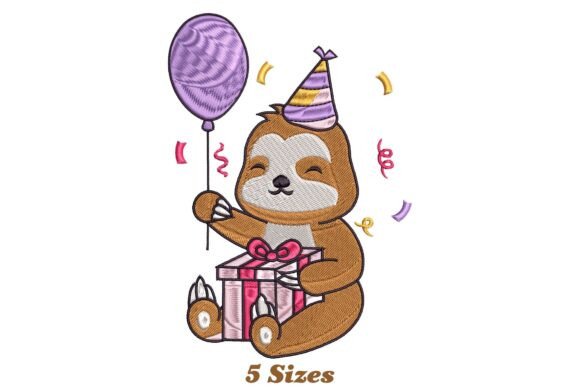
The initial appeal of the Funny Sloth Embroidery Design lies in its ability to balance humor with aesthetic charm. The description promises a "touch of whimsy charm," and upon loading the digital embroidery file into my editing software, that promise holds true. The layout feels organic rather than rigid, which is crucial for apparel that aims to feel cozy and approachable. For a boutique brand targeting customers who appreciate handmade nuances, this design avoids the sterile look of mass-produced graphics. Instead, it offers a personality-driven focal point that invites engagement.
When considering the mood, the design leans heavily into playful and casual territories. However, depending on your thread choices, it can easily pivot to feel more rustic or even minimal. For my specific project—a line of neutral-toned, oversized hoodies—I needed a design that would not overwhelm the garment but still provide a distinct visual identity. This sloth motif achieved that balance, offering enough detail to be interesting from a distance while maintaining clarity up close.
Strategic Placement on Sweatshirts and Hoodies
One of the most significant advantages of this design is its versatility in placement. In my testing, I explored several common applications for sweatshirt embroidery:
- Chest Placement: Positioned on the left chest, the design acts as a subtle brand accent. It works exceptionally well here because the scale allows for finer details without requiring excessive stitch counts that might stiffen the fabric.
- Center Front: For a bolder statement, placing the sloth centrally on an oversized hoodie creates a focal point that appeals to younger demographics. This placement turns the garment into a conversation piece, ideal for lifestyle product photography.
- Sleeve Accents: I experimented with a smaller version on the sleeve cuff. This adds a layer of unexpected detail that increases the perceived craftsmanship of the item, a key selling point for any Etsy seller or independent maker.
- Back Designs: While the standard size may be too small for a full-back print effect, it pairs beautifully with text or larger graphic elements if you are creating a composite hoodie design.
For neutral sweatshards, such as oatmeal, sage, or charcoal, the design pops nicely when using contrasting thread colors. On dark fabrics, I recommend using metallic or high-sheen threads to ensure the sloth’s features remain visible. Conversely, on pastel colors, matte cotton threads provide a soft, integrated look that enhances the cozy seasonal appeal of the apparel.
Technical Considerations for Commercial Quality
Transitioning from a pretty picture to a durable handmade product requires addressing several technical concerns. As designers, we must ensure that the stitch density is appropriate for the intended fabric. Sweatshirts and hoodies are typically made from heavier fleece or French terry, which presents unique challenges compared to lightweight t-shirts or home decor items like pillows and towels mentioned in the product description.
Fabric Texture and Stabilizer Choice
The thickness of sweatshirt fabric means you cannot skip proper stabilization. I strongly advise using a cut-away stabilizer rather than tear-away for this application. Since the Funny Sloth Embroidery Design is intended for items that will be worn and washed frequently, a cut-away provides the necessary support to prevent puckering around the stitch lines. The fabric texture of fleece can sometimes hide minor imperfections, but it can also cause sinking if the stitches are not dense enough. Ensure your machine tension is adjusted to accommodate the loft of the material.
Thread Color Contrast and Readability
When working with a character-based design like a sloth, definition is key. If the thread colors are too similar to the base fabric, the design will lose its impact. For a boutique brand, I suggest creating a style guide for this design. For example, use cream thread on navy hoodies, or chocolate brown on beige sweatshirts. This consistency helps build visual recognition and brand identity across your small shop product line.
Hoop Size and Production Efficiency
While the exact hoop size is not specified in the brief description, most designs of this nature fit comfortably within a 4x4 or 5x7 inch hoop. Before starting production, always verify the dimensions in your software. A design that fits neatly into a standard hoop size reduces hooping time and minimizes fabric waste, which is essential for maintaining healthy margins in commercial embroidery.
Elevating Brand Value and Customer Trust
Why does the choice of design matter so much? In the crowded marketplace of custom apparel, the quality of your embroidery directly influences buyer trust. A well-executed Funny Sloth Embroidery Design signals attention to detail. When customers receive a package with clean stitching, no loose threads, and proper alignment, they are more likely to leave positive reviews and return for future purchases.
Furthermore, this design aligns perfectly with gift-giving occasions. The product category lists "Birthdays," and indeed, the whimsical nature of a sloth makes it an ideal gift for friends, family, or colleagues. By marketing these embroidered items as thoughtful, high-quality gifts, you can justify a higher price point. The emotional connection customers feel toward a cute, well-made item often outweighs the cost difference between printed and embroidered goods.
Marketing and Visual Presentation
To maximize sales, your visual presentation must match the quality of the embroidery. Use high-resolution images that show the texture of the stitches. A printable mockup can help you plan your social media content before you even stitch the first sample. Show the design on various items—t-shirts, towels, and pillows—to demonstrate its versatility as described. This cross-promotion can increase average order value by encouraging customers to bundle items.
For design assets and listings, highlight the durability and comfort of the embroidery. Mention that the design is optimized for softness, ensuring it does not scratch the skin—a common concern with hoodie chest placements. This level of transparency builds credibility and sets your brand apart from competitors who simply upload generic files without testing.
Final Verdict for Boutique Owners
The Funny Sloth Embroidery Design is a strong contender for any boutique brand looking to add personality to their apparel line. It bridges the gap between playful and premium, provided it is executed with care. Remember to check the specific file formats and license terms included with your purchase to ensure they meet your production needs. Whether you are an experienced Etsy seller or a new creative entrepreneur, this design offers the flexibility and charm needed to create standout pieces in today’s market. By focusing on proper stabilizer use, thread contrast, and strategic placement, you can transform this digital file into a best-selling physical product that customers love to wear and share.