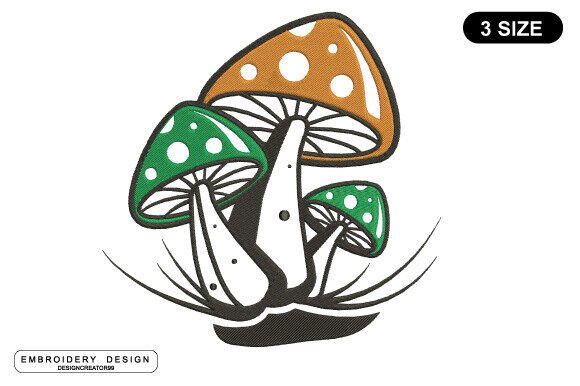
Mushroom Plant Embroidery: A Designer’s Craft Fair Review
As an embroidery designer who has spent countless weekends behind a booth table, I have learned that not every design translates into a sale. Some designs are beautiful on a screen but fail to catch the eye in a crowded market. Today, I am reviewing Mushroom Plant Embroidery, a digital asset that promises versatility for craft fair sellers and handmade shop owners. This review focuses on real-world application, examining how this piece performs when stitched out on actual goods rather than just viewed as a thumbnail.
First Impressions and Aesthetic Appeal
The moment I loaded the Mushroom Plant Embroidery file into my software, the charm was immediate. In the current market, cottagecore and rustic aesthetics are still driving significant traffic for Etsy sellers and boutique makers. This design fits squarely into that niche without feeling dated. It feels soft, decorative, and slightly whimsical, which is a powerful combination for impulse buys at a craft fair.
Unlike aggressive or overly complex graphics, this design offers a balanced visual weight. It does not scream for attention; instead, it invites a closer look. For a product categorized under Single Flowers or botanical motifs, it holds its own by offering a unique twist on nature-inspired art. The organic shapes suggest a handmade quality that resonates with buyers looking for authentic, non-mass-produced items.
Product Versatility for the Weekend Warrior
The true test of any machine embroidery design is its adaptability. The description states that this wonderful design can be beautifully embroidered on any fabric you like to work with. In practice, this means we need to evaluate where it shines brightest among common craft fair products.
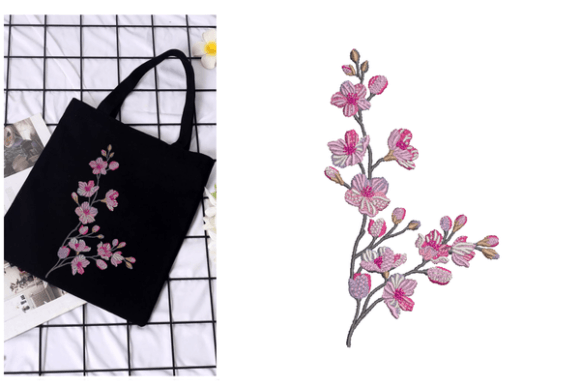
- Tote Bags: This is arguably the strongest contender. A tote bag design needs to be recognizable from three feet away. The mushroom motif provides a clear focal point on canvas or cotton totes, appealing to shoppers looking for eco-friendly accessories.
- Tea Towels and Aprons: Kitchen textiles are staple sellers. Tea towel embroidery benefits from designs that are not too dense, allowing the fabric to remain absorbent and soft. Similarly, apron embroidery adds value to a functional item, turning a basic kitchen tool into a giftable handmade product.
- Embroidered Patches: If you scale the design down correctly, it works well as an iron-on or sew-on patch. Patches are low-cost, high-margin items that fill gaps in a display table.
- Pillow Covers: For home decor, this design adds a touch of warmth. It works best when centered or placed in a corner for a subtle accent.
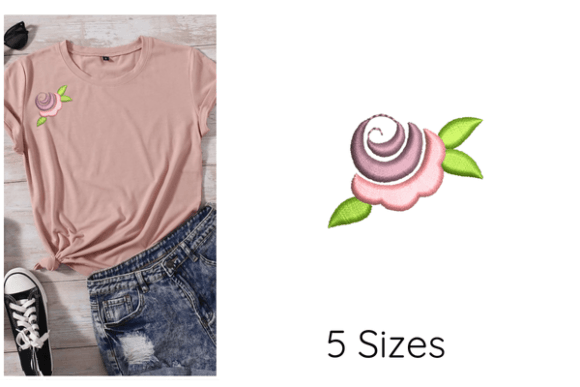
However, caution is needed with apparel. While it can go on bags and apparel, placing it on a curved surface like a cap requires careful hooping. The design must be small enough to fit the curve without distortion, yet large enough to retain detail.
Production Practicality and Batch Efficiency
For those of us running a small shop product line, time is money. A design that takes four hours to stitch is rarely viable for high-volume craft fairs unless the price point is very high. Mushroom Plant Embroidery appears to strike a balance between detail and efficiency. It does not seem to rely on excessive stitch density, which reduces thread breaks and production time.
When preparing for a fair, I look for designs that are repeatable. Can I stitch ten of these while I sleep? If the embroidery file is optimized, the answer should be yes. The lack of tiny, fragile details suggests it is robust enough for batch production. This reliability is crucial for maintaining inventory levels during peak seasons.
Technical Considerations and Careful Use
Even the best digital embroidery file has limitations. Here are specific technical notes for this design:
- Fabric Texture: On textured towels, ensure the stitch length is sufficient to bridge the loops of the terry cloth. Otherwise, the design may look uneven.
- Dark Fabric: If stitching on black or navy, you may need to adjust thread colors for contrast. A dark brown mushroom on a black shirt will vanish. Consider using lighter earth tones or adding a light-colored backing stitch if the software allows.
- Stabilizer Choice: Always use the right stabilizer. For stretchy fabrics like tote bag handles or apparel, a cut-away stabilizer is often safer than tear-away to prevent distortion after washing.
- Hoop Size: Check your machine’s hoop size compatibility. While the design is versatile, ensure it fits within your standard 4x4 or 5x7 hoops without requiring constant re-hooping, which slows down production.
Marketing and Visual Impact
How does Mushroom Plant Embroidery perform in marketing? For an Etsy seller, the thumbnail is everything. This design photographs well because of its distinct silhouette. It creates a strong printable mockup potential, allowing you to showcase the design on various backgrounds before you even stitch a single thread.
In a physical booth, this design contributes to brand consistency. If your brand is about nature, comfort, or handmade warmth, this piece reinforces that message. It acts as a visual anchor. Customers often stop at booths because of one standout item. A beautifully embroidered tote with this mushroom design can serve as that hook, drawing people in to browse your other design assets and finished goods.
Designer’s Final Verdict
Before you commit to full production, follow these steps:
- Test the design on scrap fabric that matches your final product material.
- Check thread contrast under both natural and artificial light.
- Confirm commercial licensing terms. Ensure the commercial embroidery rights allow you to sell the finished product without additional fees.
- Create at least one real mockup to gauge scale and placement.
In conclusion, Mushroom Plant Embroidery is a solid addition to any designer’s library. It balances aesthetic appeal with production practicality. It is not just a pretty picture; it is a viable tool for creating sellable goods. Whether you are making tea towel embroidery for holiday gifts or stocking up on tote bags for spring markets, this design offers the flexibility and charm needed to succeed in the competitive handmade marketplace. Just remember to respect the technical limits of your machine and fabric, and this design will likely become a staple in your rotation.