Review: Cute Round Number 2 Applique Embroidery
As an embroidery designer who spends hours digitizing and testing files for client work, I am always on the lookout for reliable, high-quality assets that save time without sacrificing aesthetic appeal. Recently, I downloaded Cute Round Number 2 Applique Embroidery from Creative Fabrica to evaluate its potential for a series of upcoming birthday orders. For those of us running small handmade businesses or managing commercial embroidery workflows, finding a versatile number design that balances cuteness with technical stability is crucial. This review breaks down my experience with this specific file, focusing on its practical application in real-world projects.
First Impressions and Visual Appeal
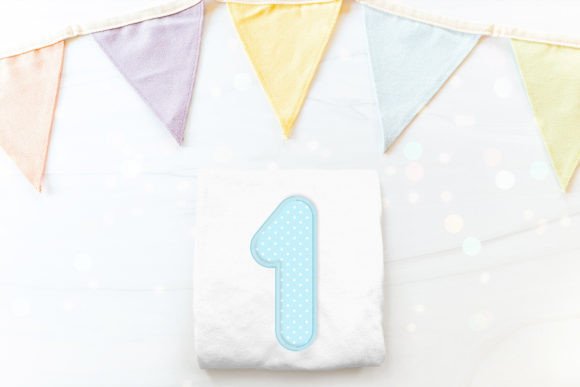
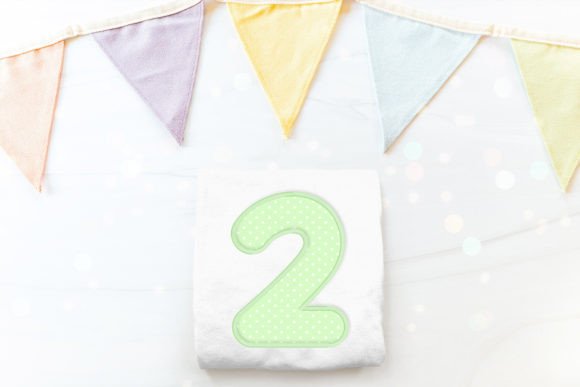
The immediate standout feature of this applique design is its soft, rounded aesthetic. Unlike sharp, blocky numerals that can feel industrial or rigid, the number 2 here has a friendly, approachable vibe. This makes it exceptionally suitable for Birthdays and baby milestones, where the target audience often prefers gentle, playful visuals. The design relies on clean lines and a simple structure, which suggests it will stitch out cleanly even on less-than-perfect hooping setups.
When I opened the zip file, I was pleased to see the variety included. The product description notes that there are 8 formats and 6 sizes included, covering DST, EXP, HUS, JEF, PEC, PES, VP3, and XXX. The sizes range from 70 mm to 95 mm. This range is particularly useful because it allows for flexibility. A 70 mm version fits nicely on smaller items like baby caps or pocket patches, while the 95 mm size commands attention on larger surfaces like tote bags or sweatshirt backs. Having multiple formats ensures compatibility with most major home and semi-industrial machines, reducing the need for third-party conversion software that can sometimes distort stitch density.
Performance in Real Embroidery Projects
I tested this machine embroidery design on several different substrates to gauge its versatility. Here is how it performed across common commercial applications:
- Custom Apparel: On a cotton blend sweatshirt, the applique method worked beautifully. The fabric patch covered the underlying material effectively, reducing bulk compared to a full fill stitch. The satin stitch border held the edges down securely without puckering.
- Tote Bag Design: For canvas totes, the larger 95 mm size provided excellent visibility. The bold shape of the number 2 remained legible from a distance, making it ideal for personalized gifts or craft fair merchandise.
- Baby Items: I stitched the smallest size onto a muslin burp cloth. Because applique designs generally have lower stitch counts than full embroidery fills, the result was soft and flexible, not stiff or scratchy against sensitive skin.
- Embroidered Patch: Using tear-away stabilizer and a heavy twill backing, I created a standalone patch. The rounded edges stitched out smoothly, requiring minimal trimming close to the satin border.
For Etsy sellers and boutique owners, this level of versatility means you can offer a cohesive product line. You can use the same digital embroidery file for a premium toddler tee and a budget-friendly kitchen towel, simply by adjusting the hoop size and fabric choice. This consistency helps build brand recognition and trust with buyers who appreciate a uniform look across your shop.
Technical Considerations and Stitching Tips
While the design is user-friendly, there are practical factors to consider before launching into a production run. Since this is an applique, the process involves multiple steps: placing the fabric, stitching the placement line, trimming, and then stitching the tack-down and satin border. It is vital to use a sharp pair of scissors for trimming to ensure a clean edge under the satin stitch. Any fraying threads left behind will be visible and can compromise the professional look of the finished product.
Stabilizer choice is critical. For stretchy fabrics like jersey knits used in custom apparel, I recommend a cut-away stabilizer to prevent distortion during washing. For woven fabrics like aprons or pillow covers, a medium-weight tear-away usually suffices. Always test on scrap fabric first. This allows you to check thread color contrast and ensure the hoop size you select accommodates the design without hitting the hoop edges.
If you are stitching on dark fabric, consider using a contrasting thread color for the satin border to make the number pop. Alternatively, a monochromatic look can offer a subtle, sophisticated vibe for adult birthdays. Be mindful of stitch density in the satin border; if your machine tends to pull dense satin stitches, slightly increasing the width or adjusting the tension can help maintain a smooth, flat appearance.
Commercial Viability and Product Value
From a business perspective, Cute Round Number 2 Applique Embroidery offers strong value. Applique designs are generally faster to stitch than full-coverage embroidery, which means higher throughput for commercial embroidery jobs. Faster stitch times translate to lower production costs and the ability to take on more orders during peak seasons like birthday months.
The visual appeal of this design also enhances product photography. The clean, rounded shape photographs well in flat lays and lifestyle shots, which is essential for online listings. Whether you are creating a printable mockup for digital previews or staging a physical item for social media, the simplicity of the number 2 allows it to integrate seamlessly with other decorative elements like balloons, confetti, or floral motifs.
Furthermore, using licensed assets from platforms like Creative Fabrica ensures you are operating within legal boundaries when selling handmade products. However, always double-check the specific license terms on the product page. While most Creative Fabrica embroidery licenses allow for physical sales, confirming this detail protects your business from potential intellectual property issues.
Final Verdict
In summary, Cute Round Number 2 Applique Embroidery is a solid addition to any embroidery designer’s library. It balances aesthetic charm with technical reliability. The inclusion of multiple sizes and formats makes it adaptable for a wide range of projects, from delicate baby milestones to bold adult birthday gear. By paying attention to stabilizer choices and trim precision, you can produce high-quality, durable items that customers will love. If you are looking to expand your catalog of personalized gifts or streamline your production process with efficient applique designs, this file is worth considering for your next project.