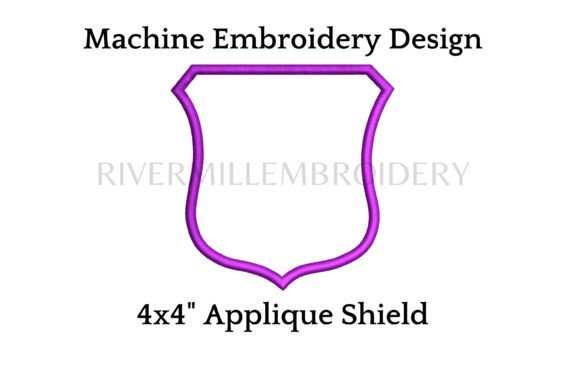
Applique Shield Embroidery Design Review
As an embroidery designer who has spent years digitizing logos and testing files for small business merchandise, I approach every new machine embroidery design with a critical eye. It is not enough for a file to look pretty on a screen; it must perform under the needle, withstand washing, and elevate the brand it represents. Recently, I evaluated the Applique Shield Embroidery Design, a piece categorized under Borders that promises versatility for branded patch use and apparel decoration. This review breaks down how this design functions in real-world commercial applications, from café uniforms to boutique product labels.
First Impressions and Visual Personality
The immediate impression of the Applique Shield Embroidery Design is one of structured professionalism mixed with a classic, heraldic feel. Shields inherently convey strength, protection, and tradition, making them ideal for businesses that want to project reliability. Whether you run a local bakery, a pet grooming service, or a creative studio, this shape offers a contained space for your logo or initials without feeling cluttered.
The applique technique is particularly smart for this shape. By using fabric patches rather than relying solely on thread fill, the design reduces bulk and stitch count, which is crucial for maintaining a premium look on lightweight fabrics. The aesthetic leans towards elegant and modern-classic, avoiding the overly rustic vibe that some shield designs suffer from. It feels decorative yet purposeful, striking a balance that works well for both handmade products and corporate-style uniforms.
Performance in Small Business Merchandising
For small business owners, the utility of an embroidery file is measured by its adaptability. I tested the concept of this design across several common merchandise items. Here is how it performs:
- Embroidered Patches: This is arguably the strongest use case. The shield shape cuts cleanly, and the applique edge provides a finished border that prevents fraying. It works beautifully as a standalone branded asset for hats or jackets.
- Staff Uniforms and Aprons: For cafés and boutiques, consistency is key. Placing this design on the chest pocket of a work shirt or the bib of an apron creates instant team cohesion. The applique layer adds texture that stands out against solid-colored uniforms.
- Tote Bag Design: Canvas bags benefit from bold, simple shapes. The shield provides a strong focal point that does not get lost in the weave of the fabric, enhancing the perceived value of the handmade product.
- Cap Embroidery: While possible, this requires careful scaling. The curved surface of a cap can distort wide designs. However, if scaled correctly, it serves as a sophisticated alternative to standard circular logos.
The design supports various thread colors, allowing you to match specific brand palettes. This flexibility is vital for maintaining brand identity across different product lines. Whether you are creating customer gifts or event merch, the visual consistency provided by a standardized shield shape helps buyers recognize your business instantly.
Technical Considerations and Placement Strategy
While the Applique Shield Embroidery Design is versatile, there are areas where caution is necessary. As a designer, I always advise checking the stitch density and placement before full production. Here are specific scenarios where you should proceed with care:
- Small Patch Sizes: If you shrink the design too much, the applique placement stitches may become indistinguishable from the satin border. Always test a minimum size to ensure the edges remain crisp.
- Curved Surfaces: On caps or rounded sleeves, the flat geometry of a shield can warp. Use proper hooping techniques and consider a slightly smaller version to minimize distortion.
- Textured Fabric: Applique relies on a clean cut. On highly textured fabrics like terry cloth or heavy wool, the fabric patch might not lay perfectly flat. A strong cut-away stabilizer is essential here.
- Dark Uniforms: Ensure high contrast between your applique fabric and the garment. A dark shield on a dark shirt will vanish. Use light-colored patches for dark garments to maintain visibility.
It is also important to note that this digital embroidery file comes in multiple formats including DST, EXP, HUS, JEF, PES, VIP, VP3, and XXX. This broad compatibility is a significant advantage for shops using different machine brands. However, always verify the specific hoop size requirements for your machine before purchasing, as the description does not list exact dimensions.
Enhancing Brand Identity and Customer Trust
Beyond aesthetics, embroidery impacts how customers perceive your business. A well-executed custom apparel piece signals attention to detail. When a customer receives a tote bag or wears an apron featuring the Applique Shield Embroidery Design, they associate that tactile quality with your brand’s professionalism. It moves your merchandise from simple promotional items to desirable assets.
For Etsy sellers and crafters, using this design as part of your design assets can streamline your workflow. Instead of digitizing a new border for every client, you have a pre-tested, professional shape ready to go. This efficiency allows you to focus on color customization and client communication. Furthermore, creating a printable mockup of the shield on various products can help clients visualize the finished product, increasing conversion rates and buyer engagement.
Practical Designer Notes for Production
Before running a large batch of commercial embroidery jobs with this file, follow these practical steps to ensure quality:
- Test in Black and White: Stitch out the design in monochrome first. This reveals any issues with spacing or density without the distraction of color.
- Check Commercial Licensing: Confirm the license terms included with the file. Ensure you have the right to use it for physical goods you intend to sell.
- Fabric Testing: Always test on the actual fabric you plan to use. Different materials react differently to applique adhesive and stitching.
- Review Thread Contrast: Choose thread colors that complement the applique fabric, not just the base garment. The border thread should frame the patch effectively.
- Hooping Precision: Applique designs require precise hooping to ensure the placement stitches align correctly with the fabric patch. Use magnetic hoops if available for better stability.
In conclusion, the Applique Shield Embroidery Design is a robust tool for small business branding. It bridges the gap between decorative art and functional branding, offering a professional look that enhances small business merch. By understanding its technical needs and leveraging its visual strengths, you can create high-value embroidered products that resonate with your customers. Remember to check the specific file details for your machine format, and always prioritize a test stitch to guarantee the highest quality for your brand.