Child s Foot Embroidery Design Review
As an embroidery designer who has spent years digitizing files for small business merchandise, I approach every new machine embroidery design with a critical eye. It is not enough for a file to look pretty on a screen; it must perform under the needle, survive industrial washing, and elevate the brand identity of the client using it. Recently, I reviewed the Child s Foot Embroidery Design, a piece categorized under Nursery themes, to determine its viability for commercial use beyond simple home decor.
This review focuses on how this specific digital embroidery file functions as a tool for branded patch creation, custom apparel, and boutique merchandise. For Etsy sellers, handmade brands, and local businesses, understanding the technical and aesthetic nuances of such a delicate motif is crucial before investing in production runs.
First Impressions and Visual Personality
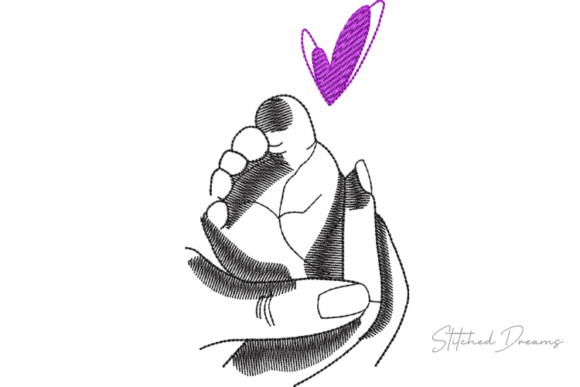
The initial visual impact of the Child s Foot Embroidery Design is one of tenderness. The description promises to capture the innocence and sweetness of childhood, featuring a beautifully detailed and delicate depiction of a tiny foot. From a design perspective, this suggests a soft, organic aesthetic rather than a bold, corporate logo style. The lines appear fluid, aiming to symbolize joy and love, which immediately positions this asset within the emotional branding sphere.
For a business owner, this visual personality is powerful but specific. It does not scream "industrial" or "tech." Instead, it whispers "care," "gentleness," and "personal touch." This makes it an excellent candidate for brands that rely on trust and emotional connection, such as family-oriented boutiques, pediatric services, or artisanal baby product lines. However, the delicacy of the design means it requires careful handling during the digitization and stitching phases to maintain its integrity.
Real-World Business Applications
When evaluating a design for small business merch, I look for versatility. The Child s Foot Embroidery Design offers several compelling applications for commercial embroidery projects:
- Branded Patches: This design shines as an embroidered patch. A small, satin-stitched foot can serve as a charming label for handmade blankets, swaddles, or clothing items. It adds a layer of perceived value to the finished product, signaling attention to detail.
- Apron Embroidery: For bakeries, florists, or craft studios that emphasize a family-friendly atmosphere, placing this design on staff aprons creates a warm, welcoming uniform. It softens the professional look without sacrificing cleanliness.
- Tote Bag Design: Canvas tote bags are a staple for retail shops. A subtle placement of this design near the bottom corner or on a pocket can turn a generic bag into a branded keepsake, appealing to parents and gift-buyers.
- Cap Embroidery: While challenging due to curvature, a simplified version of this motif could work on the side panel of a cap for a children’s brand, offering a unique alternative to standard text logos.
For Etsy sellers and crafters, this design can be integrated into design assets for printable mockups, helping visualize how the final item will look before a single thread is stitched. This pre-visualization step is vital for customer engagement and reducing return rates.
Technical Considerations and Constraints
While the aesthetic appeal is high, the technical execution of the Child s Foot Embroidery Design requires vigilance. Delicate designs often suffer from poor stitch density management if not properly optimized. Here are the key areas where business owners must exercise caution:
- Stitch Density and Detail: The description mentions "beautifully detailed" elements. In embroidery, excessive detail at a small scale can lead to thread breaks or a muddy appearance. Ensure the stitch density is appropriate for the target fabric. Too dense, and the fabric puckers; too sparse, and the backing shows through.
- Fabric Texture: This design will perform differently on smooth cotton versus textured terry cloth or fleece. On rougher textures, fine details may get lost. Always test on the actual material intended for the finished product.
- Curved Surfaces: If using this for cap embroidery, the curved surface can distort the shape of the foot. Hooping techniques and stabilizer choice become critical here to prevent shifting.
- Washability: Items like baby clothes or aprons undergo frequent washing. Ensure the thread colors chosen have high colorfastness and that the stitch structure is secure enough to withstand agitation without unraveling.
It is essential to note that the provided description does not specify exact stitch count, file format, or hoop size. As a professional, I advise readers to check these details with the vendor before production. Knowing whether the file is compatible with your specific machine software is non-negotiable for efficient workflow.
Impact on Brand Identity and Trust
Incorporating the Child s Foot Embroidery Design into your product line does more than decorate; it communicates values. For a handmade brand, it reinforces the narrative of care and craftsmanship. Customers often associate intricate embroidery with higher quality and effort, which can justify premium pricing.
Consistency is key. If this design is used across various touchpoints—such as on packaging accents, thank-you cards, and the products themselves—it strengthens brand recognition. It creates a cohesive visual language that customers begin to associate with your business’s promise of gentleness and quality. This visual consistency builds trust, which is the cornerstone of customer loyalty in the handmade and boutique sectors.
Practical Designer Notes for Production
Before launching a full production run using this embroidery file, follow these practical steps to ensure professional results:
- Test in Black and White: Before selecting thread colors, stitch out the design in black thread on white fabric. This reveals any gaps in coverage or issues with spacing that color might hide.
- Check Scale: Verify that the design remains legible and aesthetically pleasing at the intended size. A design that looks great at 4 inches may lose its charm at 1 inch.
- Stabilizer Selection: Use the correct stabilizer for your fabric type. Cut-away stabilizers are generally better for garments that will be washed frequently, while tear-away may suffice for decorative patches.
- Client Approval Mockups: Create a high-quality printable mockup or digital render for client approval. This manages expectations and ensures the placement and size meet the client’s vision.
- Licensing Verification: Confirm commercial licensing terms. Ensure you have the right to use the Child s Foot Embroidery Design for goods you intend to sell. Never assume a personal-use license covers business merchandise.
In conclusion, the Child s Foot Embroidery Design is a potent asset for businesses targeting the nursery and family markets. Its strength lies in its emotional resonance and delicate beauty. However, its success depends entirely on technical precision and strategic application. By respecting the limitations of the medium and leveraging the design’s strengths, small business owners can create memorable, high-value merchandise that stands out in a crowded marketplace.