Review: Japanese Boat on Sea Embroidery Design
As an embroidery designer who has spent years digitizing artwork for small businesses, I approach every new machine embroidery design with a critical eye. It is not enough for a file to look pretty on a screen; it must perform under the needle, withstand industrial washing, and elevate the brand identity of the client using it. Recently, I evaluated the Japanese Boat on Sea Machine Embroidery Design, a digital file that promises gorgeous Asian-inspired art featuring a boat navigating a storm. For boutique owners, Etsy sellers, and apparel decorators, this piece offers more than just decoration—it provides a narrative element that can define a brand’s aesthetic.
First Impressions and Visual Personality
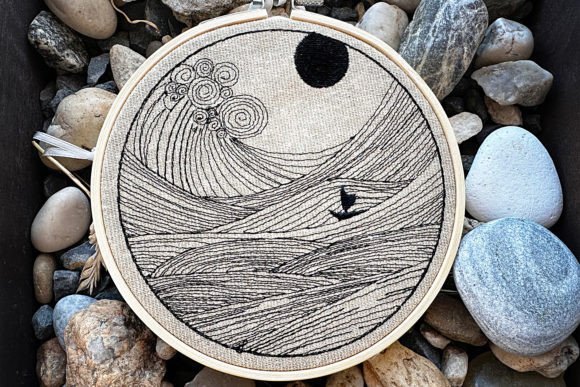
The immediate impact of this embroidery file is one of dramatic elegance. The description highlights "raging waves," which suggests dynamic movement and high contrast. In the world of Embroidery, capturing motion is challenging, but when done correctly, it adds a premium feel to any textile. The theme falls squarely into the Asia category, evoking traditional woodblock prints or classic maritime folklore. This is not a playful or childish design; it feels rustic yet refined, making it suitable for brands that want to project resilience, tradition, or artistic depth.
For a handmade product line, this design signals quality. It does not look like a generic clip-art conversion. Instead, it appears to have been considered for thread flow and color blending. When I review a design for commercial use, I look for this level of intentionality. The stormy sea motif creates a bold visual statement that can serve as a focal point on otherwise plain garments or accessories.
Real-World Applications for Small Business Merch
The true test of any digital embroidery file is its versatility in real-world applications. Here is how I envision the Japanese Boat on Sea Machine Embroidery Design performing across various small business merch categories:
- Branded Patches: This is perhaps the strongest use case. An embroidered patch featuring this stormy seascape can be sewn onto denim jackets, canvas backpacks, or tote bags. Patches allow customers to buy into the brand’s aesthetic without committing to a full garment print.
- Apron Embroidery: For artisanal bakeries, florists, or coffee shops, staff aprons are walking billboards. Placing this design on the chest or lower corner of a heavy-duty canvas apron adds a touch of sophistication. It suggests that the business values craft and endurance, much like the boat in the storm.
- Cap Embroidery: While complex designs can be tricky on curved surfaces, a simplified version or a smaller scale of this design could work beautifully on the side panel of a dad hat or the back of a trucker cap. It serves as a subtle nod to the brand’s heritage or theme.
- Tote Bag Design: Canvas totes are staples for eco-conscious brands. The high contrast of the waves against the natural fabric texture creates a striking look. This design transforms a simple bag into a piece of wearable art, increasing the perceived value of the finished product.
- Custom Apparel: On work shirts or boutique tees, this design can act as a chest logo accent. It is distinct enough to be recognized from a distance, aiding in brand recognition and customer trust.
Technical Considerations and Production Notes
Before running this design on a production machine, there are several technical factors to consider. The description mentions "raging waves," which implies intricate detailing. High detail often correlates with higher stitch density. If the density is too high for the chosen fabric, you risk puckering or thread breaks. Therefore, testing on the actual material is non-negotiable.
I recommend starting with a printable mockup to visualize scale, but never rely solely on digital previews. You must test the design on scrap fabric identical to your final product. Pay close attention to the thread colors. The contrast between the boat and the sea is crucial. If the threads are too similar in shade, the design will lose its definition, especially from a distance. Use a color chart to ensure the blues, whites, and browns pop against your base fabric.
Another critical factor is the hoop size. The product description states this embroidery is designed to be placed in the hoop, but it does not specify the exact dimensions. You must check the file details before purchase to ensure it fits your machine’s capabilities. If the design is large, you may need a multi-hoop setup or a larger commercial frame. Additionally, always use the appropriate stabilizer. For textured fabrics like towels or thick canvas, a cut-away stabilizer might be necessary to support the weight of the stitches and prevent distortion over time.
Where to Use Caution
While this design is versatile, it is not suitable for every application. Avoid using it on items that require frequent, harsh industrial washing unless you have tested its durability extensively. Fine details in the waves may fray if the stitch count is not optimized for wear and tear. Also, be cautious with very small patch sizes. If the design is scaled down too much, the intricate lines of the storm may merge, resulting in a muddy appearance. Always maintain a minimum size where the details remain crisp and distinguishable.
Furthermore, consider the fabric texture. On highly textured materials like fleece or thick wool, fine details can get lost. This design shines best on smooth or medium-texture fabrics like cotton twill, denim, or canvas. If you are embroidering on dark uniforms, ensure you have enough light-colored thread coverage to make the design visible, or consider adding an underlay stitch to boost contrast.
Enhancing Brand Identity and Value
Incorporating the Japanese Boat on Sea Machine Embroidery Design into your product line does more than add visual interest; it strengthens your brand identity. Customers associate high-quality embroidery with professionalism and attention to detail. When they see a well-executed embroidered patch or apron, they perceive the brand as established and trustworthy. This design, with its cultural resonance and artistic flair, can help differentiate your small business merch from competitors who rely on standard printed logos.
For Etsy sellers and crafters, offering items with this design can increase buyer engagement. Shoppers often search for unique, handmade aesthetics, and this design delivers that premium, artisanal feel. It allows you to create cohesive design assets across your store, from packaging accents to limited-edition apparel. By maintaining visual consistency with such a strong graphic, you build a recognizable brand presence that resonates with your target audience.
Final Designer Recommendations
Before integrating this file into your commercial workflow, take these practical steps:
- Check Licensing: Confirm the commercial licensing terms included with the instant download. Ensure you are allowed to sell physical products made with this design.
- Test in Black and White: Before committing to colorful threads, stitch out the design in black thread on white fabric. This helps you evaluate the clarity of the outlines and the balance of positive and negative space.
- Verify File Formats: Ensure the download includes the format compatible with your machine (e.g., PES, DST, JEF). If not specified, contact the seller before purchasing.
- Create Client Mockups: If you are doing custom work, show clients a realistic mockup of the design on their specific garment. This manages expectations and ensures approval before production begins.
The Japanese Boat on Sea Machine Embroidery Design is a powerful tool for designers looking to add depth and character to their commercial embroidery projects. With careful attention to technical details and strategic placement, it can become a signature element of your brand’s visual language.