Saved by Grace Christian Embroidery: A Designer’s Review
As a designer who has spent countless hours digitizing and stitching out thousands of patterns, I approach every new machine embroidery design with a mix of curiosity and caution. We have all been there: downloading a file that looks stunning in the preview software, only to watch it turn into a tangled mess of thread breaks and puckering on the actual fabric. That is why when I recently evaluated Saved by Grace Christian Embroidery, I did not just look at the aesthetic; I looked at its viability for real-world application.
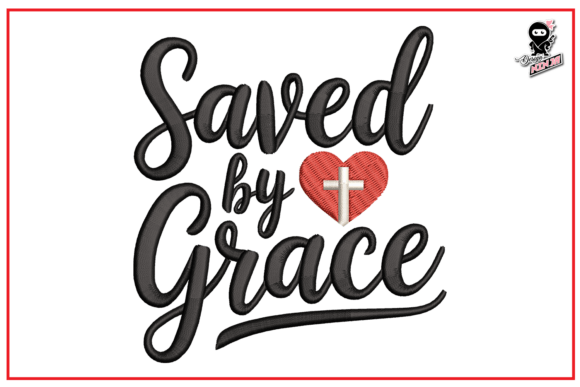
This design falls squarely into the Religion category, but its appeal extends far beyond church walls. It speaks to a growing market of faith-based consumers who want subtle, elegant expressions of their beliefs in their daily lives. The phrase "Saved by Grace" carries significant weight, and the typography chosen for this piece reflects that gravity without being overly ornate or difficult to stitch. For those of us running a craft business or managing an Etsy shop, finding designs that balance spiritual sentiment with technical reliability is essential.
First Impressions and Visual Mood
The first thing that strikes you about Saved by Grace Christian Embroidery is its clean, approachable layout. It does not rely on excessive decorative flourishes that often cause registration issues during stitching. Instead, it focuses on clarity. The visual personality is warm and inviting, creating a mood of peace and reassurance. This is crucial because the end user is likely looking for comfort and inspiration, whether they are wearing the item or displaying it in their home.
From a technical standpoint, the balance between text and any accompanying graphical elements appears well-considered. In many faith-based designs, the lettering can become too thin, leading to gaps in the satin stitch, or too dense, causing the fabric to pull. This design seems to navigate that middle ground effectively, suggesting a thoughtful approach to stitch density and pathing. It feels like a piece that respects the limitations of the machine while maximizing visual impact.
Real-World Application: The Tote Bag Test
To truly understand how a design performs, you have to imagine it on a specific product. I envisioned using this embroidery file for a custom canvas tote bag, a popular item for small shop products and boutique branding. Canvas is a sturdy fabric, but it has a distinct texture that can interfere with fine details.
In this scenario, Saved by Grace Christian Embroidery shines. The boldness of the lettering ensures legibility even against the woven background of the canvas. I pictured it stitched in a deep navy or charcoal thread, providing strong contrast against a natural beige tote. This combination creates a high-value handmade product that appeals to customers looking for durable, meaningful accessories. It is not just a bag; it is a statement piece that fits seamlessly into a modern, faith-centered lifestyle.
Beyond totes, this design is versatile enough for sweatshirt embroidery. On a soft fleece or cotton blend, the design would need a proper stabilizer to prevent sinking, but the result would be a cozy, personalized gift that recipients would wear repeatedly. It works equally well as baby embroidery on a onesie or blanket, offering a gentle reminder of faith for new parents. The adaptability of this design makes it a valuable asset for anyone selling personalized gifts.
Technical Considerations and Fabric Choices
While the design is robust, no digital embroidery file is universally perfect for every situation. There are areas where caution is required. If you plan to use this on stretchy fabrics like jersey knits for t-shirts, you must use a cut-away stabilizer to maintain shape. The hoop size will also dictate your placement. For smaller hoops, you might need to scale the design down, which could risk making the thinner parts of the letters too delicate for reliable stitching.
Textured fabrics present another challenge. If you are stitching on a thick towel or a plush blanket, the pile of the fabric can obscure finer details. In such cases, I recommend testing the design on scrap fabric first. Check the thread colors carefully; a matte thread might get lost in a high-pile fabric, whereas a slightly shinier rayon or polyester thread could help the design pop. Always inspect small details after a test run to ensure there are no gaps or loose threads.
For curved surfaces like caps, the design requires careful hooping and possibly a different stabilization strategy. The curvature can distort the text if not centered perfectly. However, for flat items like pillow covers, tea towels, or wall art, the design should lay flat and crisp. When working with dark fabrics, consider using a lighter thread color or adding a backing layer to prevent the fabric color from showing through the stitches.
Commercial Value and Brand Consistency
For Etsy sellers and creative entrepreneurs, the commercial viability of a design is paramount. Saved by Grace Christian Embroidery offers a professional look that enhances brand consistency. Using high-quality, well-digitized designs builds customer trust. When a buyer receives a product with clean, precise stitching, they are more likely to leave positive reviews and return for future purchases.
This design supports various commercial embroidery projects. It can be used for holiday gifts, wedding favors, or church merchandise. The timeless nature of the phrase means it does not go out of style, allowing you to keep it in your inventory year-round. Whether you are creating a printable mockup for your online store or producing physical stock for a craft fair, this design adds a layer of professionalism to your offerings.
However, always confirm licensing before selling finished items or digital products. While many designers allow commercial use of finished goods, restrictions may apply to reselling the design assets themselves. Read the terms carefully to ensure you are compliant.
Final Designer Notes
Before committing to a large production run, take these practical steps:
- Test on scrap fabric: Always stitch out a sample on the same material you intend to use for the final product.
- Check thread contrast: Ensure your thread color stands out against the fabric background for maximum readability.
- Review stitch density: If the design feels too stiff, consider adjusting the density settings in your software if you have the rights to edit the file.
- Use proper stabilizer: Match the stabilizer to the fabric weight and type to prevent puckering or distortion.
- Inspect small details: Look closely at the entry and exit points of the stitches to ensure a clean finish.
In conclusion, Saved by Grace Christian Embroidery is a solid choice for designers and makers looking to expand their faith-based product lines. It combines aesthetic appeal with technical practicality, making it suitable for a wide range of applications from apparel to home decor. By understanding its strengths and limitations, you can create beautiful, high-quality items that resonate with your customers.